Energy, Telecommunications, Economy & more | News from the Netherlands

Energy prices drop: Essent and Vattenfall adjust tariffs

From 1 October, customers of Essent and Vattenfall will benefit from reduced energy tariffs. Essent has announced a decrease in the electricity rate to €0.39042/kWh and for gas to €1.32713/m^3. This applies to all 1.2 million households with a variable energy contract. Customers with an average consumption can save up to €118 annually.

Vattenfall follows suit with a reduction of the electricity rate to €0.3463/kWh and for gas to €1.2975/m^3. Notably, Vattenfall is increasing the fixed delivery charges for electricity, meaning customers will pay an extra €3 per month, while the fixed costs for gas are being decreased by €1 per month.

Both energy companies stress the uncertainty of the energy market. Even though prices have dropped for three consecutive quarters, the future development of the energy market during the winter months remains uncertain. This is partly due to rising purchasing prices in the gas market and global developments.

Essent also emphasises the importance of energy conservation and advises customers to invest in items like LED bulbs and draught excluders. With the help of subsidies, customers can also invest in insulation.

Other news

Gas Prices Explode, Security Becomes Scarce

nergy prices under massive pressure: Following the attacks by the United States and Israel on Iran and subsequent Iranian countermeasures, the European gas market is experiencing severe turbulence. The situation around the Strait of Hormuz is causing significant disruption to international LNG trade. In the Netherlands, energy suppliers are responding by limiting fixed term contracts, reducing bonuses and adjusting their offers at short notice. At the same time, demand for price certainty is rising sharply. For consumers, this already translates into noticeably higher costs.
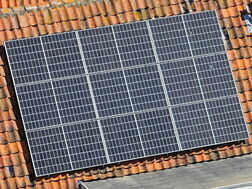
Netherlands to Abolish Net Metering: Solar Industry in Turmoil

The announced abolition of the net metering scheme on 1 January 2027 in the Netherlands has caused significant upheaval in the solar industry. Manufacturers and installers of solar panels see their business models threatened, while supporters of the decision hope for a much-needed relief for the electricity grid. This article examines the net metering scheme's background, its abolition consequences, and the prospects for solar energy in the Netherlands.